
Asphalt Millings or Hot Mix for Driveways
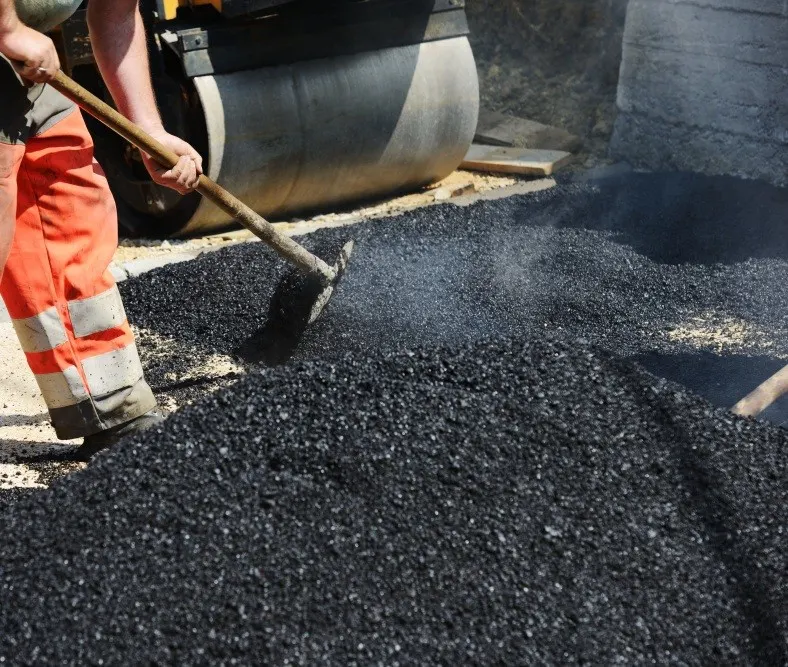
Recycled asphalt millings can work well for a driveway when the use is light and the base underneath is sound. Hot mix asphalt is the better fit when you want a smooth, dense surface that plows cleanly and can be sealed later.
How millings differ from hot mix
Millings are reclaimed asphalt. A milling machine grinds the top layer off an old road or lot, and the crushed material is reused. Hot mix is made fresh at a plant by heating stone and asphalt binder (the sticky petroleum glue that holds the stone together), then it is laid hot and rolled flat.
The finished look is different. Millings compact into a dark, textured surface that looks a bit like tight gravel, and it can feel rougher underfoot. Hot mix can have a smooth black surface with a defined edge. If you like the rustic look, millings suit a long lane or a farm drive. If curb appeal near the street matters, hot mix usually wins.
Either one is only as good as the work under it. Ask what preparation and compaction the proposed job includes. Compaction means rolling the material tight so it locks together, and a loosely compacted surface of either type can rut and ravel.
Our asphalt millings and hot-mix asphalt paving pages cover both options in more detail.
| Factor | Asphalt millings | Hot mix asphalt |
|---|---|---|
| Source | Reclaimed, ground asphalt | Freshly produced mix |
| Finished surface | Textured, gravel-like, darker and rougher | Smooth, dense, uniform |
| Edges | Can loosen and spread without support | Defined edge when laid and rolled properly |
| Snow removal | Plow blades can catch and move material | Generally easier to plow |
| Upkeep | Occasional regrading or added material | Crack filling and periodic sealcoating |
| Up-front cost | Often lower | Often higher |
Which driveway conditions matter most
Start with what is under the surface. A driveway sits on a base, the compacted layer of stone that carries the weight. If that base is thin, soft or uneven, both materials may settle, rut or crack in those areas. Putting a new surface over a weak base may leave underlying problems unresolved.
Then look at how the driveway is used. A short drive for two cars is a very different job from a long lane with delivery trucks, a trailer or a camper. Heavier and more frequent loads favor a dense hot mix surface and a thicker base. Light, occasional traffic gives millings an easier life.
Finally, decide whether this is a new driveway or work on an existing one. A new drive lets you build the base right from the start, as part of asphalt driveway installation. An existing drive may only need repairs and a new top layer, but only if the base is still sound. Slope matters too. On a drive that climbs to the street, loose surface material can wash downhill in heavy rain, so ask how that will be handled.
How local winter weather affects the decision
Pennsylvania and Maryland winters bring snow and freeze-thaw cycles, usually from December into March. Water gets into a weak spot, freezes, expands and pushes the surface up. When it thaws, the support underneath may be weaker than before. Repeated freeze-thaw cycles can contribute to heaves, potholes and soft edges.
That is why drainage and a stable base can be important alongside the surface material. Water that sheds off the driveway and away from the edges does less damage. Water that sits at the edges or runs onto the drive from a slope or downspout can find its way into the base. If your yard is clay, it may hold water longer, so ask how the base will drain.
Each material handles winter a little differently. Millings can shift at the edges under a plow blade if they are not well compacted, so raising the blade slightly may help. Hot mix is denser and sheds water better, but cracks that go unsealed let water in. Neither is right for every drive, and neighbors in Westminster, New Windsor and Hampstead may land on different answers depending on their lots.
Timing counts as well. Hot mix needs mild enough weather to be laid and rolled properly, so late fall scheduling depends on temperatures. Ask what your crew can do before the cold arrives and what is better left until warmer weather.
What to check before choosing
Before you sign for either option, get clear answers to these questions:
- How will the base be prepared, and how thick will it be?
- How will the surface be compacted?
- How will the edges be finished or supported?
- Where will water go during a heavy rain or a thaw?
- What upkeep should you expect, and how often?
- Does the proposed material fit how you plan to use the driveway?
Ask the crew to walk the driveway, look at the existing surface and base, and explain which option may fit. Be wary of anyone who says one material is right for every driveway.
We are Licensed & Insured, and a Free Quote is available. Ask about your base, drainage and use when discussing whether millings or hot mix may make more sense.
Common questions
Are asphalt millings good for a driveway?
They can be, especially on long, lightly used drives with a solid base and good drainage. They give a rougher, gravel-like surface, and the edges may need extra support.
Do asphalt millings hold up to plowing?
A well-compacted millings driveway can be plowed, but a blade set too low can catch and move loose material. Hot mix is denser and usually easier on a plow.
Can you put hot mix over an old millings driveway?
Sometimes, if the base is firm and drains well. A crew needs to inspect the surface, regrade where needed and compact it before paving over it.
Areas we serve
Our services
Have a question about your project? Call (717) 965-0655