
Preparing an Asphalt Driveway for Pennsylvania Winter
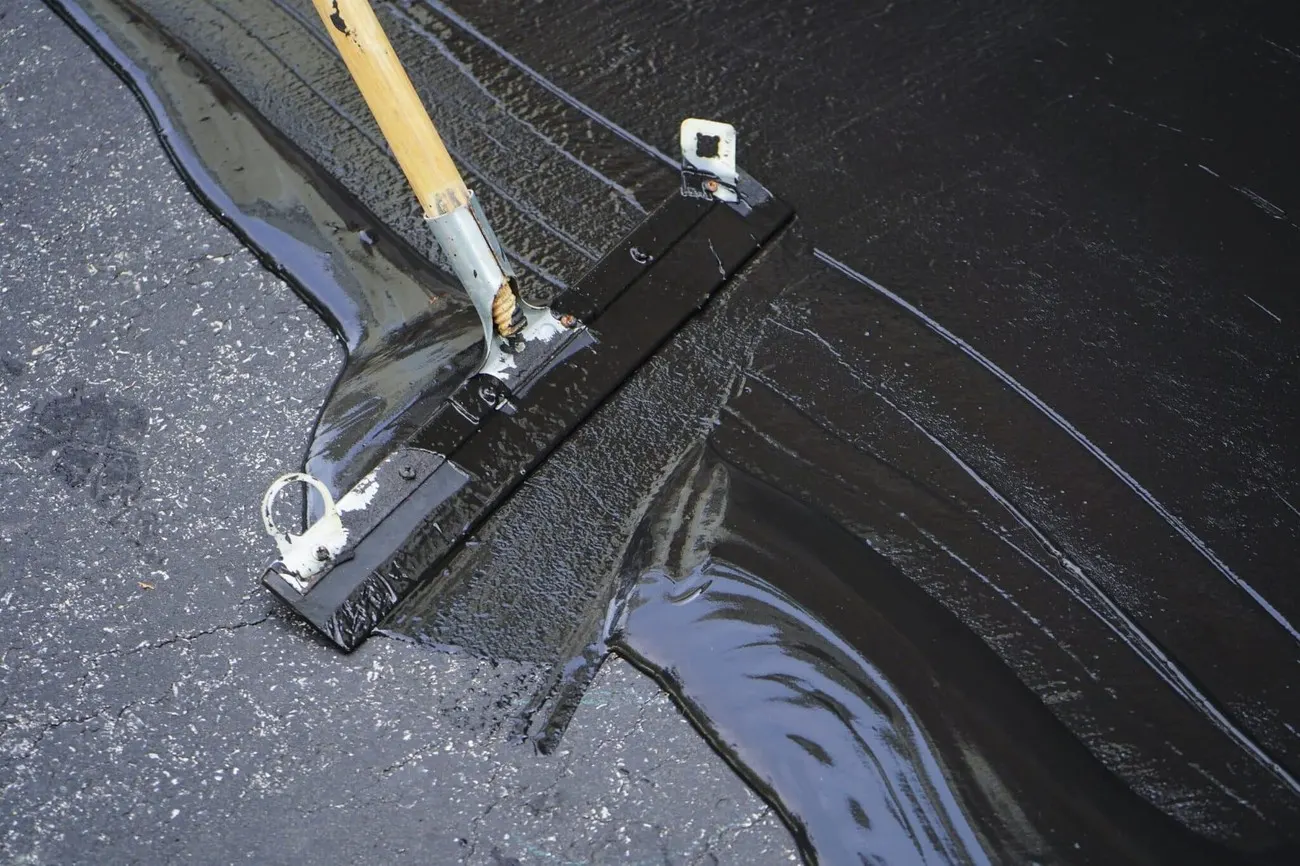
To prepare an asphalt driveway for winter in Pennsylvania, walk the whole surface in September or October, note any new openings, loose edges or crumbling areas, and have a paving contractor look at anything that keeps growing or comes back. For York area homeowners, that short check can help identify concerns to discuss with a paving contractor before the freeze-thaw cycles start.
Check the surface before cold weather
Pick a dry day with good light and walk the driveway slowly from the street to the garage. Then walk it again after a rain. You are looking for changes, and a few are worth writing down:
- New openings: cracks or gaps that were not there in spring.
- Loose edges: asphalt along the border that is breaking away or leaving a gap against the grass or gravel.
- Surface breaking apart: loose stone, a rough or crumbly texture, or patches where the top layer is wearing thin.
- Water that stays: low spots where puddles sit long after the rain has stopped.
Write down where each one is, or sketch a quick map of the drive. The point is to see whether a mark stays the same or keeps growing from one check to the next.
Treat what you find as clues, not a diagnosis. A surface mark tells you what the top of the pavement is doing. It does not tell you what is happening in the base (the compacted stone layer under the asphalt that carries the load).
Know when to ask for a closer assessment
A mark that has stayed the same all season is a lower concern than one that is spreading, returning after a repair, or showing up in several places. Those are the ones to have someone look at before the ground freezes. Ask a direct question: does this condition call for maintenance, or for paving work?
| What you see | What it can point to | Reasonable next step |
|---|---|---|
| A few narrow marks that have not changed | Normal surface aging | Keep watching, and ask about maintenance |
| Openings that widen or come back | Movement or stress below the surface | Ask for an assessment |
| Crumbling edges | Weak support at the border or water getting in | Ask for an assessment of the edge and drainage |
| Sunken or soft areas, standing water | A base problem | Ask whether repair or repaving fits |
This is why one treatment does not fit every driveway. Asphalt sealcoating is a protective coat for a surface that is still sound. It does not rebuild a failed base. If the assessment shows the pavement has gone past that point, driveway paving or a repave may be appropriate. Most sealcoat products also need dry weather and mild daytime temperatures to cure, so late fall can leave little room to do it. Ask your contractor what the weather allows.
What Pennsylvania and Maryland winters can change
Pennsylvania and Maryland winters usually bring snow and freeze-thaw cycles, with the heaviest stretch typically running from December into March. November and March can swing above and below freezing within the same week, and that back and forth is hard on pavement.
Here is how it works. Water gets into an opening, freezes and expands, then thaws and leaves a little more room than before. Repeat that enough times and the opening can widen and loosen the pavement around it. An untreated gap in October can look very different by March.
Conditions vary from one property to the next, so judge your own driveway rather than assuming it will behave like the neighbor's. A few things to check:
- Whether the drive stays shaded and damp for much of the day.
- Whether water runs toward the pavement or away from it.
- Whether your yard is clay, which tends to hold water longer than sandy ground.
- Whether the drive slopes, since runoff speeds up and can undercut edges.
The same walk-around applies for homeowners in York, Red Lion and Dallastown, and across the line into Maryland.
Make a short prewinter plan
You do not need a complicated schedule. Keep it to a few steps:
- Do your first walk-through in September or October and write down what you find.
- Check again after the next good rain and note anything that is new, larger or recurring.
- Call a paving contractor about problems that are expanding or returning, and ask whether they call for maintenance or paving.
- Use that answer to decide on the practical next step before the ground freezes.
If you want someone to look at your driveway, we are Licensed & Insured and offer a Free Quote. Tell us what you found on your walk-through and where it is on the drive.
Common questions
How do I inspect an asphalt driveway before winter?
Walk it in daylight after a dry stretch and again after rain, and pay attention to the edges and to where water collects. Write down each change so you can tell next time whether it grew.
How does freeze-thaw damage an asphalt driveway?
Water that gets into an opening freezes and expands, then thaws and leaves more space behind. Repeated cycles can widen the opening and loosen the pavement around it.
What are signs an asphalt driveway needs work before winter?
Openings that widen or return, crumbling edges, soft or sunken spots and standing water are the main ones. A mark that has not changed is less urgent than one that keeps growing.
Areas we serve
Our services
Have a question about your project? Call (717) 965-0655